What are the NEMA specifications for cable trays?
In the world of electrical installation, the terms “NEMA cable ladder” and “NEMA cable tray specifications” are often mentioned. These concepts are critical to ensuring safe and efficient cable management in a variety of environments, from industrial settings to commercial buildings. This article will explore what a NEMA cable ladder is and shed light on NEMA cable tray specifications.
What is a NEMA cable ladder?
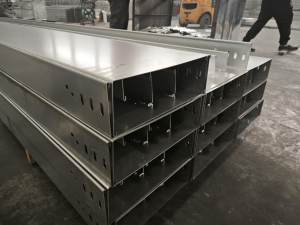
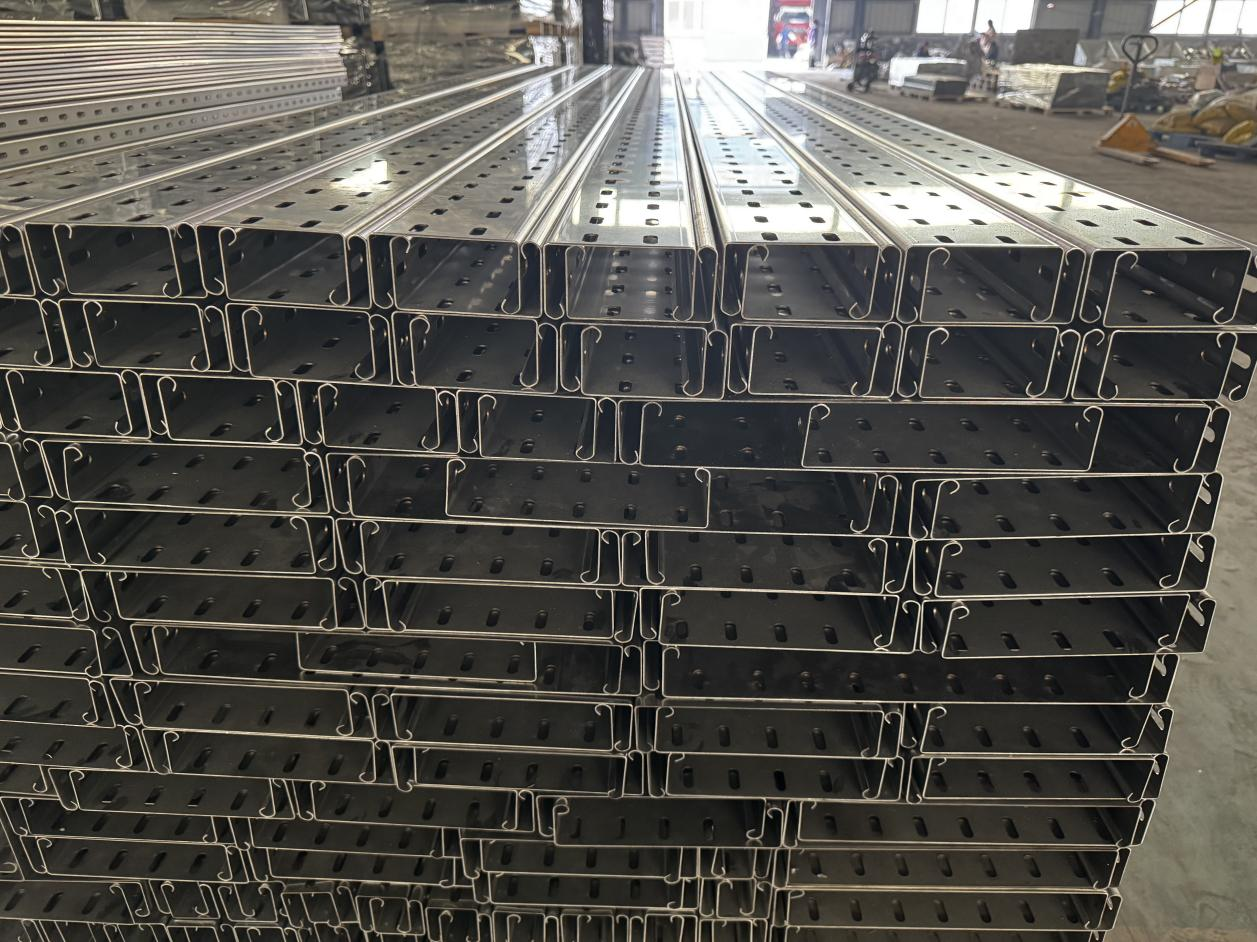
A NEMA cable ladder is a cable management system used to support and organize cables. “NEMA” stands for the National Electrical Manufacturers Association (NEMA), which sets standards for electrical equipment and components in the United States. NEMA cable ladders are typically made of materials such as aluminum or steel and are designed to provide a sturdy framework for routing and securing cables.
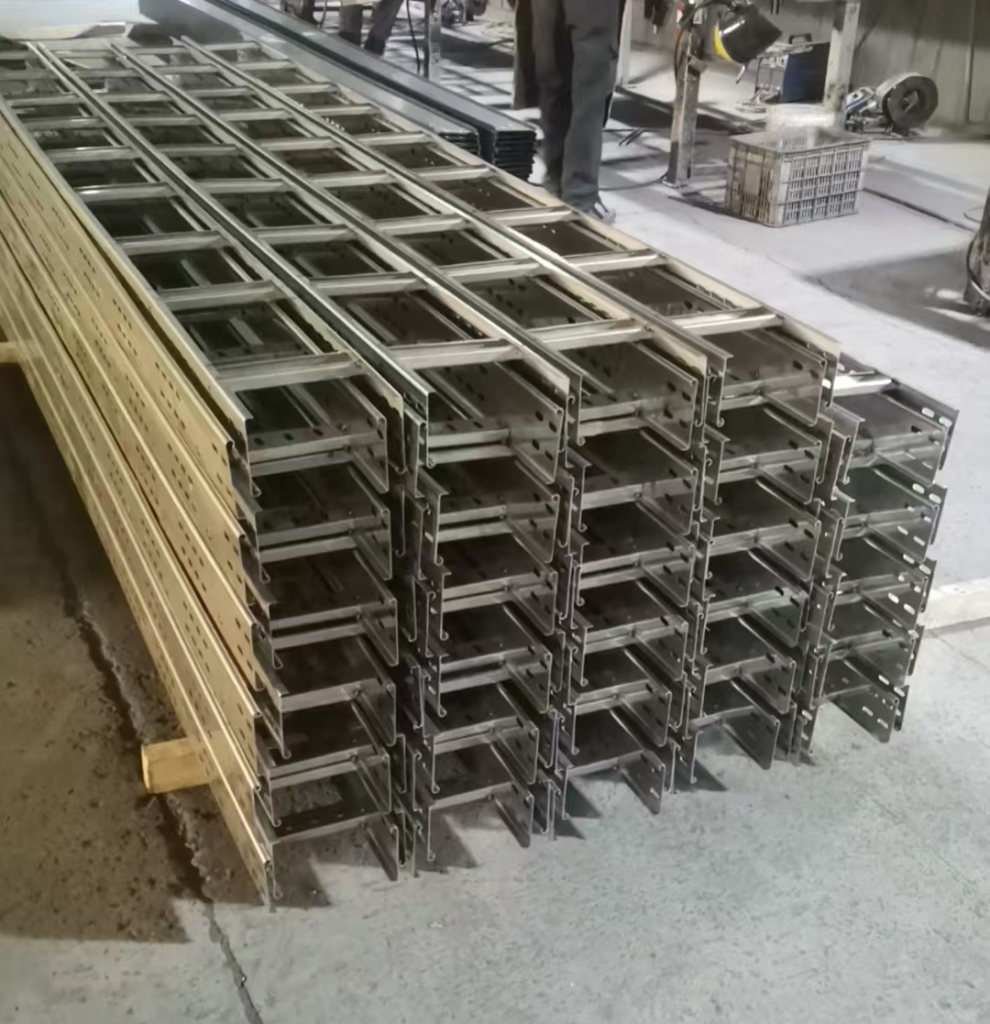
The NEMA cable ladder design features rungs or crossbars that allow cables to lay flat, thereby minimizing stress and potential damage. This design is particularly effective when cables need to be run over long distances or in high-line density environments. The open structure of the cable ladder also promotes air circulation, which helps dissipate heat, thereby improving safety and performance.
Importance of NEMA Standards
NEMA standards play a vital role in ensuring that electrical equipment, including cable ladders and trays, meet specific safety and performance standards. These standards are developed through consensus among manufacturers, users, and other stakeholders in the electrical industry. By adhering to NEMA standards, manufacturers can ensure that their products are reliable, safe, and compatible with other electrical components.
What is the NEMA code for cable tray?
Cable Tray Installation Practices, Material Control, and Unloading/Storage Standards are outlined in the NEMA VE 2 standard, which provides guidance for the design, construction, and installation of cable trays. This standard is critical to ensuring that cable trays can safely support the weight of cables while providing adequate protection from environmental factors such as moisture, dust, and physical damage.
NEMA VE1 defines the components and types of cable tray systems, including trough, ladder, tray, and grid types. It also clearly specifies material requirements, manufacturing standards, performance requirements, test methods, installation requirements, and installation instructions.
When selecting and installing NEMA cable ladders and trays, several factors should be considered:
1. **Load-bearing capacity**: Make sure the cable ladder or cable tray can support the weight of the cables being installed. This includes considering the weight of the cables themselves as well as other factors such as environmental conditions.
2. **Material selection and control**: Select materials that are appropriate for the environment in which they will be installed. For example, in a corrosive environment, aluminum may be the preferred material; while steel may be more suitable for heavy-duty applications.
3. **NEMA compliance**: Always refer to NEMA VE 1, VE 2 standards to ensure that the cable tray system meets all necessary safety and performance requirements.
4. **Installation practices**: Follow best installation practices to ensure that the cable ladder or tray is securely installed and the cables are routed and fixed correctly.
NEMA cable ladders and NEMA cable tray specifications are integral to effective cable management in electrical installations. By understanding NEMA codes and standards, professionals can ensure their installations are safe, efficient, and compliant with industry regulations. Whether in an industrial, commercial, or residential setting, the proper use of NEMA cable ladders and trays can significantly increase the reliability and life of your electrical system.