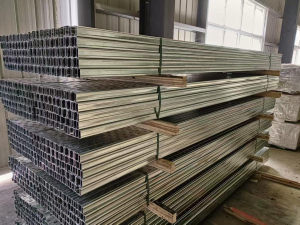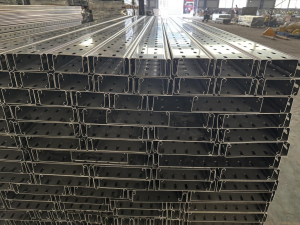
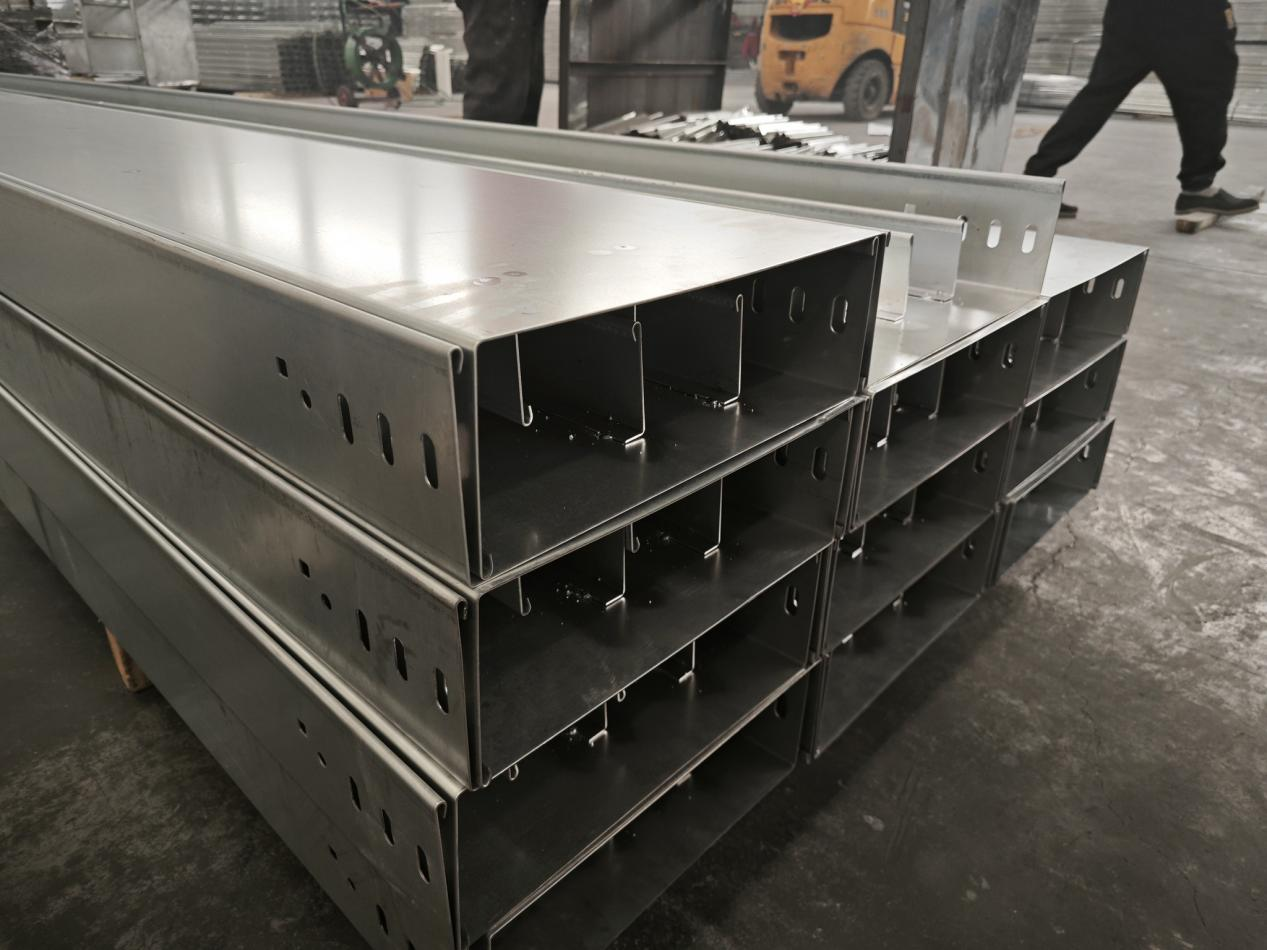
What is the IEC standard for cable tray
IEC standards are often mentioned when it comes to practical applications and engineering requirements.This article will explore what IEC standards are and the importance of IEC cable trays in their installation and management.
The IEC standard for cable trays mainly refers to IEC 61537, which is a standard for cable management systems (including trays) issued by the International Electrotechnical Commission (IEC). The NEC is updated every three years and outlines the specific requirements for the installation and use of cable trays in Article 392. IEC 61537 specifies requirements for the design, installation and testing of cable tray systems, covering multiple aspects including load capacity, corrosion resistance, and fire resistance.
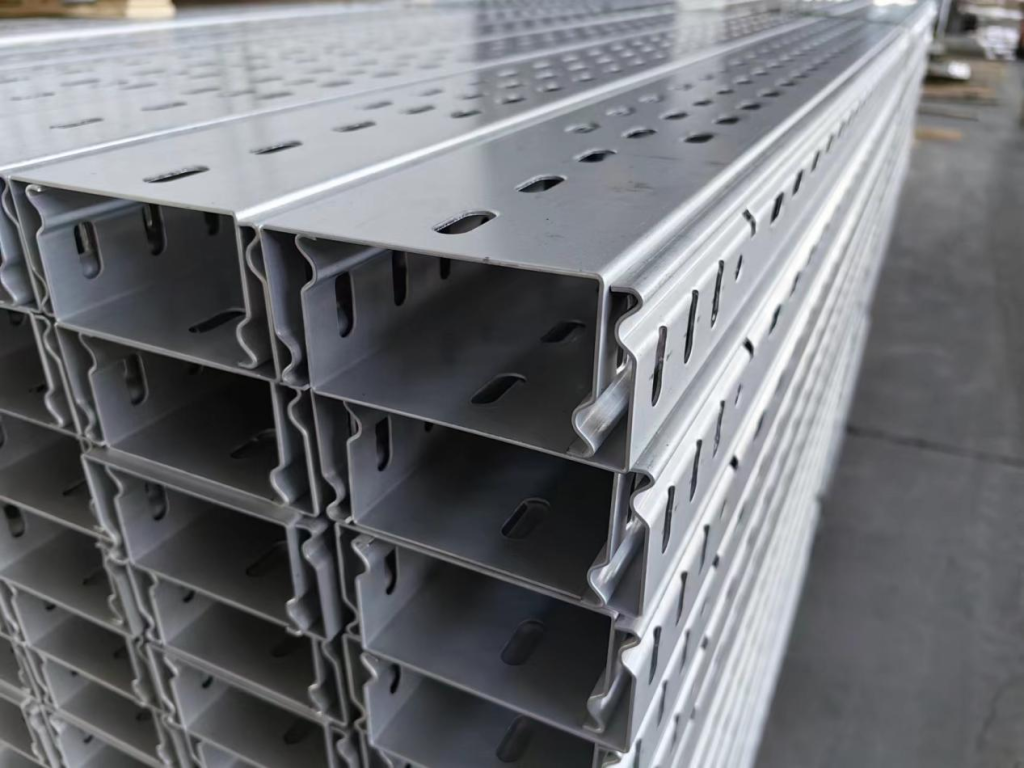
The IEC standard has clear standards for the minimum thickness of cable trays and the thickness of surface coatings. One of the key aspects of the NEC specification for cable trays is the requirement for proper grounding and bonding. Covered cable trays must be grounded to prevent electrical hazards, and the NEC specifies methods to achieve effective grounding. In addition, the specification requires that covered cable trays be installed in a manner that allows adequate ventilation and heat dissipation, which is essential to maintaining the integrity of the cables inside.
The main advantages of IEC cable trays include:
1. Improved safety: IEC standards have strict requirements on fire protection, electrical safety, mechanical strength and other aspects of cable trays, which can effectively prevent the spread of fire, electrical failures and accidental damage, thereby improving the safety of cable lines.
2. Enhanced compatibility: IEC standards are internationally accepted standards. Cable trays that adopt IEC standards are more compatible with other electrical equipment and systems, which facilitates engineering integration and interoperability.
3. Convenient maintenance: IEC standard cable trays fully consider maintenance needs during the design and manufacturing process, making installation, maintenance and replacement of cables more convenient and quick, reducing maintenance costs and time.
4. Cost reduction: Although the initial investment may be slightly higher, IEC standard cable trays can effectively reduce the overall life cycle cost in long-term use due to their high reliability and low maintenance costs.
5. High degree of standardization: IEC standards make the production and application of cable trays more standardized, facilitate large-scale production, reduce procurement costs, and facilitate engineering design and construction, improving efficiency.
In short, the use of IEC standard cable trays can provide users with safer, more reliable, more convenient and more economical cable line solutions, and is a recommended choice in modern engineering construction.